01Back taxes and tax deed sales
Florida property taxes go delinquent April 1, and the tax collector sells a tax certificate at an annual sale held on or after June 1. Two years after April 1 of the certificate’s year, the holder can apply for a tax deed and the land goes to auction. You can redeem until that sale. Selling first lets the title company pay the back taxes from your proceeds.
Source 1 · Source 2 02Code enforcement and mowing liens
A Florida code board can fine up to $250 a day for a first violation and $500 for a repeat. A recorded fine order is a lien on the land, and after 3 months it can be foreclosed, except on a homestead. Some counties, like Lee, also mow overgrown lots and lien the unpaid cost.
Source 1 · Source 2 03Old platted lots: GDC, Lehigh Acres and more
From the 1950s on, developers sold small Florida lots by mail on installment plans, often sight unseen. General Development Corporation built Port Charlotte, North Port, Port St. Lucie and Port Malabar in Palm Bay before its 1990 bankruptcy. Lehigh Acres, a separate project, platted about 135,000 lots. Studies found many of these lots without water or sewer, and some too small for a septic system.
Source 1 · Source 2 · Source 3 04Wetlands and permits
Filling or building in wetlands needs permits. The state Environmental Resource Permit comes from the Department of Environmental Protection or a water management district. Federal dredge and fill permits are back with the U.S. Army Corps of Engineers after courts struck down Florida’s program, a ruling affirmed on appeal in March 2026.
Source 1 · Source 2 05Flood zones
Check your parcel on FEMA’s flood maps. In zones A or V, a new home generally needs its lowest floor at or above the base flood elevation, which can mean fill or a raised foundation. A buyer who builds there with a loan from a federally regulated lender must also carry flood insurance.
Source 1 · Source 2 · Source 3 06Road access, easements and surveys
Buyers ask how you reach the land. A path across a neighbor’s property with no recorded easement needs solving. Florida’s way of necessity law, section 704.01, can open a route for landlocked land used for a home, farming or timber, with a court setting what the neighbor is paid. A boundary survey shows the corners, encroachments and platted easements.
Source 1 · Source 2 07Septic, perc tests and wells
What people call a perc test is, in Florida, a site evaluation: at least two soil profiles to 6 feet plus the wet season water table. Since July 1, 2023, new septic systems on lots of an acre or less in BMAP areas without sewer must be nutrient-reducing systems, which cost more. Wells are permitted through the water management districts.
Source 1 · Source 2 · Source 3 08Zoning and future land use
Every Florida county and city has a comprehensive plan with a future land use map, and zoning has to fit it. Together they decide what your land allows: one home, several, a mobile home, farming or nothing. Check the zoning map with your parcel ID, or call the planning department, before you price land as buildable.
Source 09Agricultural classification (greenbelt)
Land in good faith commercial farm use, like grazing, timber or crops, can be assessed on that use instead of market value. The owner files by March 1. Offering land for sale does not end it, but a buyer who keeps farming usually files their own application, and the classification ends when farming stops.
Source 1 · Source 2 10Mobile home titles on land
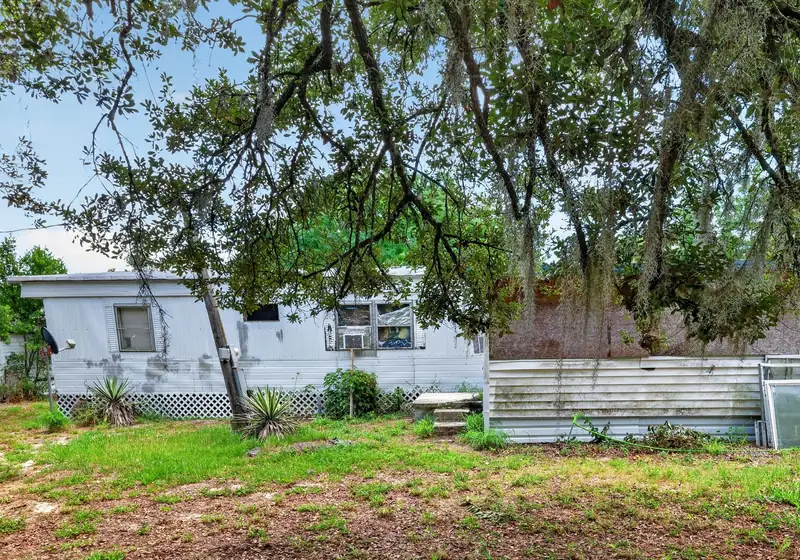
Under section 319.261, an owner can retire a mobile home’s title by recording it with the county clerk, along with the legal description and a sworn statement, then filing form HSMV 82109. After that, the home sells by deed with the land. If the title was never retired, the home and land may transfer separately. See our mobile home with land guide.
Source 1 · Source 2